Cheap, out of round tires have a good place, just not on your vehicle
We handle Michelin tires, because they consistently perform better than any other brand. We are convinced that Michelin tires, installed by us, will provide the overall lowest cost per mile. Cheap out of round tires can cause thousands of dollars in unnecessary suspension damage. Poor tires ride badly, wear quickly, damage suspension components and cost far too much, all things considered. AGCO goes to great length to insure better results for you. First we verify the age of all tires we sell, to make sure they are fresh. By checking the DOT number AGCO can tell the week and year your tires were built. Many people may not be aware that tires have a life span, other than just tread life. The age of failure is difficult to foresee. Many experts agree tires over six-years old are generally considered unsafe to be used. At some tire stores, tires sometimes sit in a warehouse for years before being installed. By verifying the DOT date, AGCO insures you do not get tires that are already years old. We also verify tires we sell are the exact right size and rating specified by the engineer that designed your vehicle. The exact right tire, not just what we have in stock. Next comes professional mounting. A perfect tire can be quickly ruined by improper mounting. Once properly mounted the tire must be balanced. AGCO uses equipment not commonly available in the trade, because we have found it consistently provides better results. We have even developed our own procedure to verify that the tire is balanced perfectly. 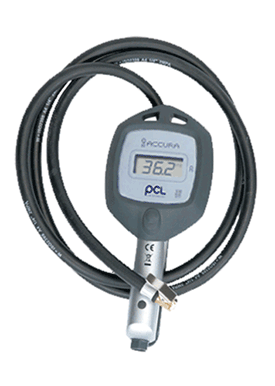 Accuracy is so important to us that we started building our own tire pressure gauges. We found commercially available gauges were not accurate and did not repeat. In 2009, we learned about a gauge, built in England. We obtained one of their top models and put it through rigorous test. In every test it performed as well or better than our gauges, built with test grade instruments. We since replaced our gauges with the new gauges. We also use a certified calibration facility, to verify their accuracy and insure your tires are perfectly inflated. Accuracy is so important to us that we started building our own tire pressure gauges. We found commercially available gauges were not accurate and did not repeat. In 2009, we learned about a gauge, built in England. We obtained one of their top models and put it through rigorous test. In every test it performed as well or better than our gauges, built with test grade instruments. We since replaced our gauges with the new gauges. We also use a certified calibration facility, to verify their accuracy and insure your tires are perfectly inflated.
Our testing has even found a large variation in valve stems. Some simply do not hold air as well as others. Few things are more aggravating than a tire that keeps losing air. The stems we use have proven consistently better through our testing. Many imported stems do not even meet the safety standard SAE 1205-1206 as specified. AGCO verifies that all stems we purchase meet or exceed this standard and requires written documentation from the vendor. Some may think this is all a bit much, but we don’t. We feel by improving the process of mounting and balancing tires and using the best products available we can show you why AGCO is the place to go. Does all this mean Michelin is right for everyone? In our opinion it does not. While we feel they are the finest tires available, some people simply do not drive very many miles. Since tires do have a lifetime, a high mileage tire could go bad due to age, long before it has worn out. While AGCO recommends only Michelin, we will be happy to help you if you have problems with tires bought elsewhere. For instance, if your tires cause a shake or shimmy we will diagnose the problem. While we are not able to mount tires that are purchased elsewhere, we will provide documentation of tire problems. For instance we can test tires and let you know if they are out of round. Give us a try, AGCO and Michelin are a great combination. |

